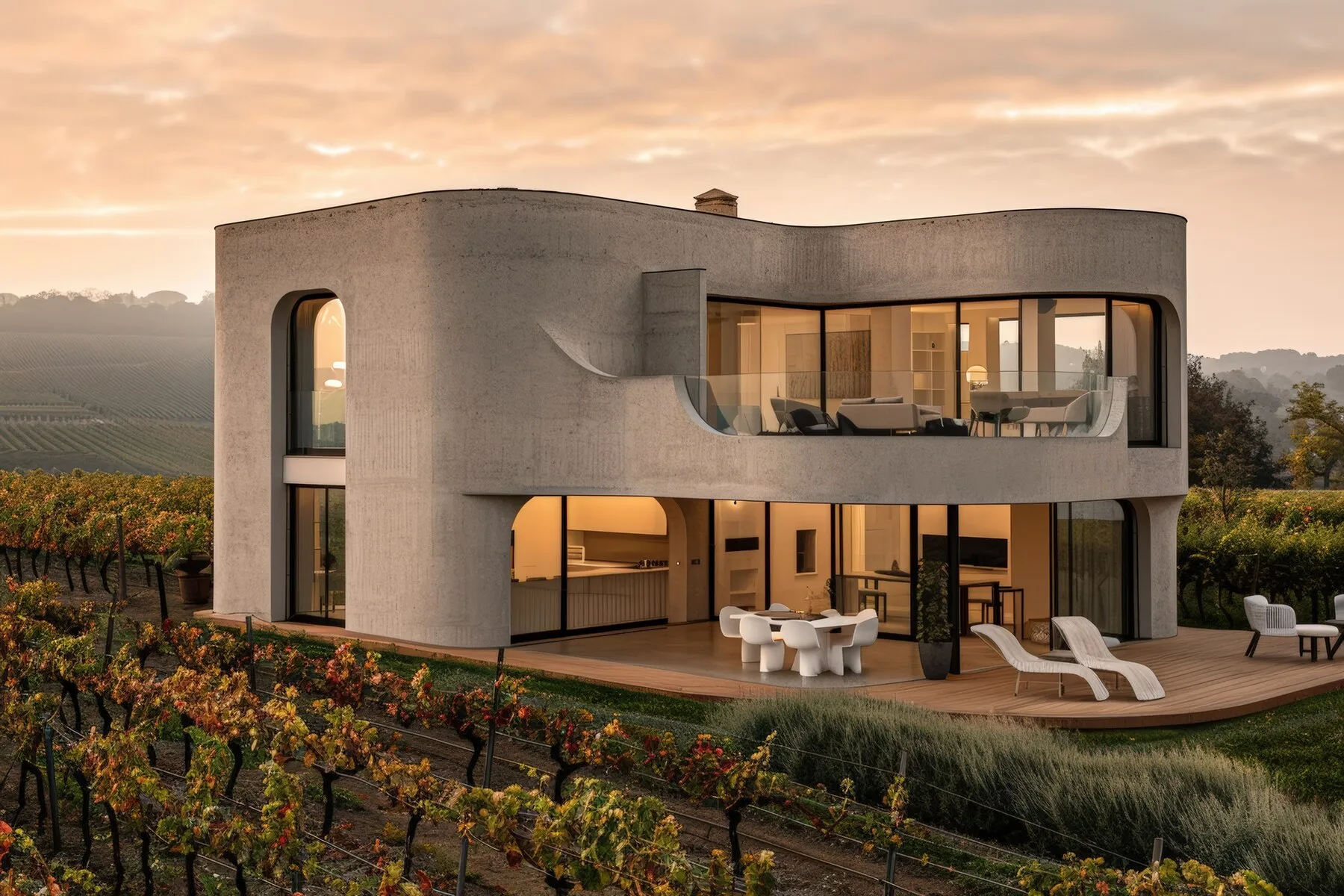
How We Price a Home Before It Goes on the Market
Comparable sales are only the start. Here is the process we follow to set an asking price that brings in serious buyers.
Every seller wants the highest price, and every seller has heard a story about a neighbour who listed too high and sat on the market for months. The asking price is the single biggest decision in a sale, and it deserves more than a quick look at a website estimate.
Step one: real comparable sales
We start with homes that have actually sold, not homes that are listed. Ideally they sold in the last three to six months, within a short distance, and are similar in size, age, condition and lot. In areas with unusual houses, such as architect-designed homes or large rural lots, true comparables are rare, so we widen the search and adjust carefully.
Adjustments are where judgement comes in. A view, a recently replaced roof, a guest unit with its own entrance or a busy road all move value up or down, and we explain each adjustment to the seller in writing.
Step two: what is competing right now
Buyers do not see your house in isolation. They see it next to the other listings in their price range that weekend. We look at active and pending listings to understand what your home will be compared against, and how long similar homes are taking to sell.
Step three: condition and presentation
A house that is clean, repaired and well photographed will sell for more than the same house shown as-is. Before listing, we walk through with the seller and agree a short list of fixes that are worth doing. Usually these are small: fresh paint in tired rooms, a deep clean, repairs to anything that will show up on an inspection, and some attention to the garden and entrance.
- Fix what an inspector will flag. Buyers negotiate harder on a long inspection report.
- Remove clutter and personal items so rooms look their real size.
- Have the windows cleaned inside and out before the photographer arrives.
- Keep a folder of permits, warranties and service records ready for buyers.
Step four: choosing the number
With the research done, we usually suggest a price range rather than a single figure, and talk through the trade-offs. Pricing at the lower end of the range can bring more buyers and sometimes competing offers. Pricing at the top can work for a unique property but may mean a longer wait.
The first two weeks on the market bring the most attention. A price that is right from day one usually beats a price that needs to come down later.
After launch: watch the response
The market gives quick feedback. The number of viewings, the questions buyers ask and whether anyone requests disclosures all tell us how the price is landing. If there is little interest after two or three weekends, we review the feedback with the seller and decide together whether to adjust.
If you are thinking of selling and would like an honest view of what your home might fetch, get in touch. We will send a written price opinion with the comparables we used.