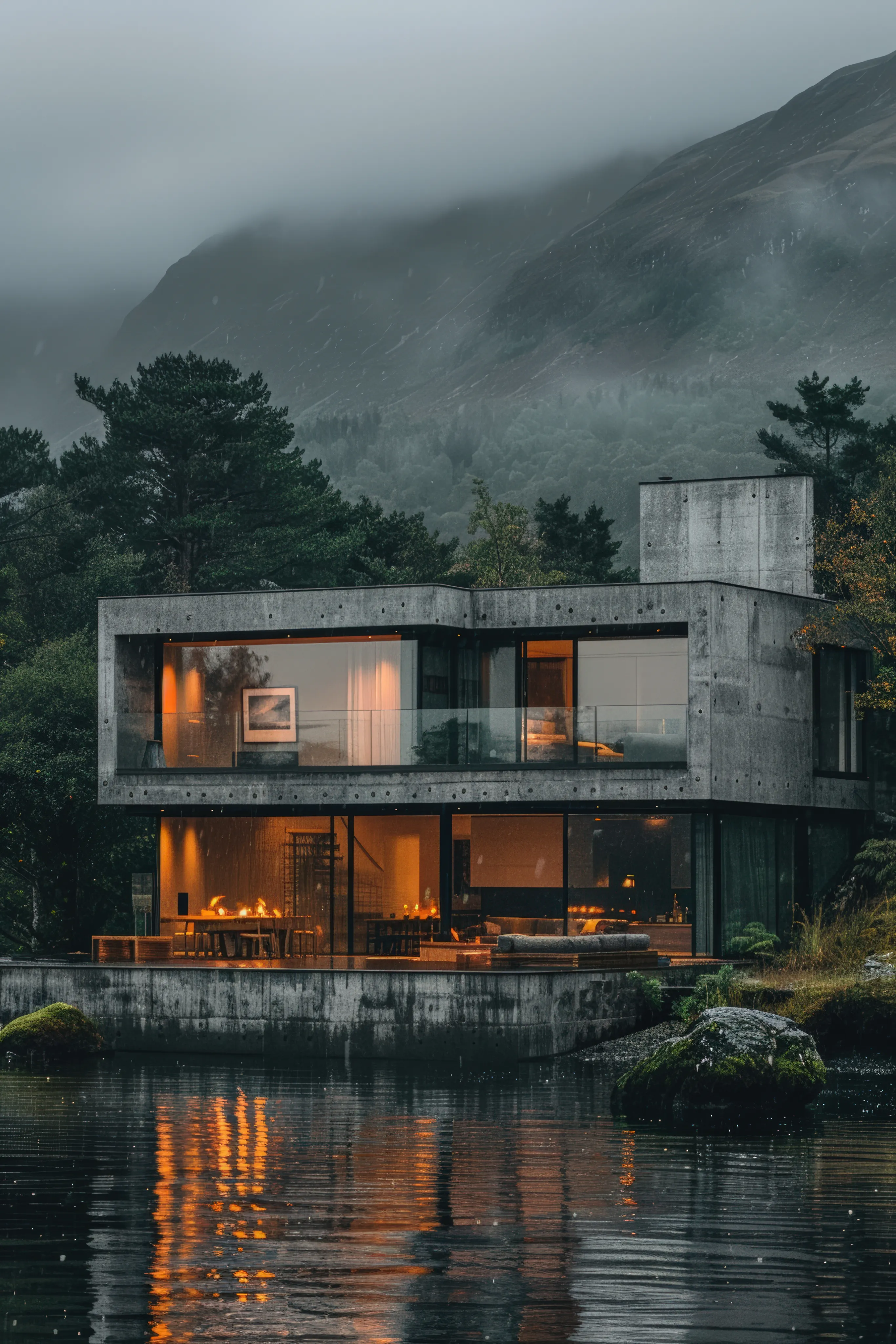
Buying a Home at Lake Tahoe: Snow, Rentals and Rules
Snow loads, winter access, rental permits and the two-state question. What to check before you buy at the lake.
A house at Lake Tahoe is often a second home first and a primary home later. Either way, buying in the mountains comes with questions that buyers from the city may not have thought about. These are the ones we go through with every client.
California or Nevada?
The state line runs through the lake. Nevada has no state income tax, which matters to some buyers, while property tax rules, rental regulations and building codes differ on each side. Within California, rules also differ between Placer and El Dorado counties and the city of South Lake Tahoe. Decide early which side suits your plans.
Snow and winter access
Ask about the roof's snow load rating, how the house handles snow sliding off the roof, and where it lands. A steep driveway facing north can stay icy for weeks. Heated driveways, covered entries and a garage you can actually park in all make winter far easier.
- Who clears the road in winter: the county, an association or the owners?
- Is there a snow removal contract, and what does it cost per season?
- Has the roof or deck ever been damaged by ice dams or snow load?
- How long does the power usually stay out in a big storm, and is there a generator?
Short-term rentals
Many owners rent their homes when they are not using them. Every jurisdiction around the lake has its own permit system, with caps, occupancy limits, parking rules and inspections. Some areas are no longer issuing new permits. Never assume that because the current owner rents the house, you will be able to. Permits often do not transfer with a sale.
If rental income is part of your plan, confirm the permit rules in writing before you make an offer, not after.
Lakefront details
Lakefront homes come with extra questions: pier and buoy permits, shoreline rules from the Tahoe Regional Planning Agency, and whether the pier can be extended. Water levels change from year to year, so a pier that works well in a wet year may sit above dry sand in a dry one.
Inspections to budget for
Beyond a general home inspection, consider a roof inspection, a chimney inspection if there is a wood-burning fireplace, a radon test, and a defensible space check. Older cabins may need an assessment of the foundation and drainage, because years of snowmelt can take their toll.
Ethan is happy to show homes in any season. Winter viewings take more planning, but they show you exactly what living there will be like.